
Diesel Engine Idling and Warm-Up Advice
Optima’s December 2018 article on diesel engine idling, cold starts and warm-up routines, and their effects on fuel use and engine wear.
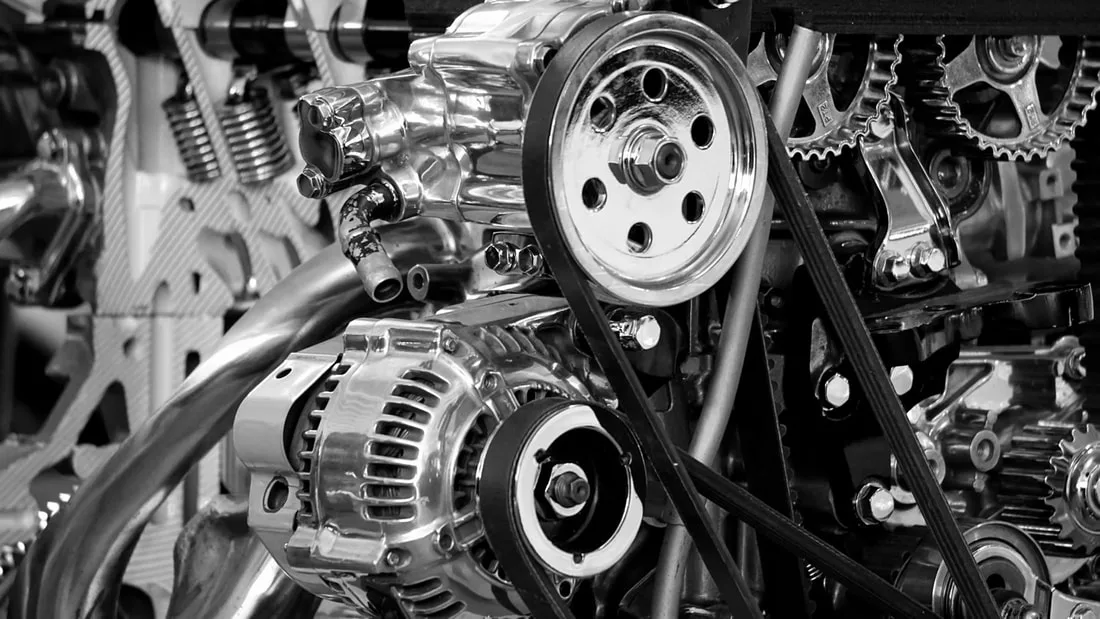
It is common practice for people to leave their engines in idling mode to warm them up. But doing this takes up a considerable amount of time, wastes fuel and causes wear and tear on the engine.
The modern materials and especially the design of modern pistons and ring-sets mean they can be put under load a lot quicker, and it is advisable to do so.
Modern piston rings don’t seal as good as they should until combustion pressures are up. The only way to get higher combustion pressures is to put a load on the engine. Cold start up and warming up your engine should include warming up your gearbox and diffs.
The only way to properly cold start your engine is:
- Check all fluids, visually check for leaks under the truck, pull the air tank drains briefly to see what gunk has settled in the bottom of the tanks since the engine was turned off, and drain it out. Fill in your logbook.
- Start engine, walk around and check the lights and by the time the air is up you should be ready to go.
- Don’t wait for the temperature gauge to move; your pistons and liners are already warming, and oil is circulating and warming already.
- If you stay put until the gauges move you’re just spending extra time waiting for 50 liters of water to warm up.The coolant temp sensor is miles away from your pistons and liners, at the part of the engine that remains coldest for longer. There is no point in waiting for the gauge to move, it is a waste of time and fuel.
- Put it in gear and drive off carefully. This way the engine is under load and warms up quickly, like it should, and at the same time you’re warming up the drive line. When the temp gauge starts to move you’re good to feed it some more and get on with your day.
Don’t idle more than 1 minute, save your engine, and save fuel at the same time.